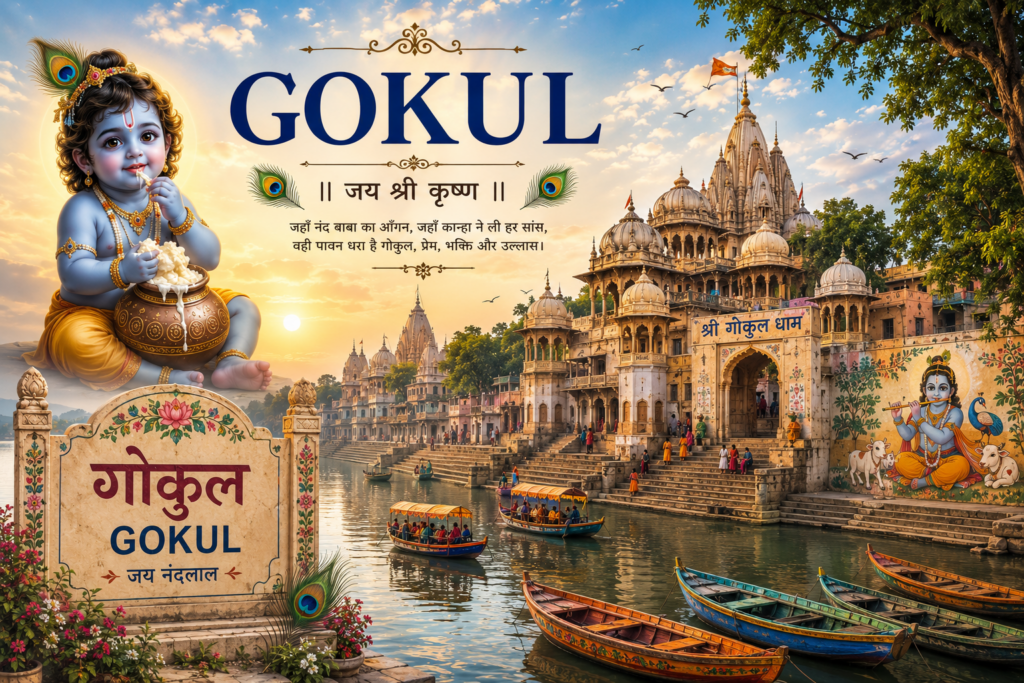

The Sacred History of Gokul
Gokul is one of the most ancient and revered pilgrimage destinations in the Braj region of Uttar Pradesh. Situated on the banks of the holy Yamuna River near Mathura, Gokul is celebrated as the place where Lord Krishna spent the earliest years of his childhood after being brought from Mathura by his father, Vasudeva.
Deeply rooted in Hindu mythology, spiritual traditions, and devotional culture, Gokul occupies a special place in the hearts of millions of devotees worldwide. The town is considered the starting point of Lord Krishna’s childhood leelas and remains one of the holiest destinations in the Krishna pilgrimage circuit.
Ancient Origins
The history of Gokul dates back thousands of years and is closely linked to the life of Lord Krishna as described in sacred texts such as:
- Bhagavata Purana
- Vishnu Purana
- Harivamsa
- Mahabharata
- Brahma Vaivarta Purana
According to these scriptures, Gokul was a peaceful village inhabited by cowherds under the leadership of Nanda Baba. The village was known for its simple lifestyle, devotion, and close connection with nature.
Following Krishna’s birth in Mathura, Vasudeva carried the divine infant across the Yamuna River during a stormy night to protect him from the tyrant King Kansa. Krishna was then lovingly raised in Gokul by Nanda Baba and Yashoda Maiya.
Gokul and Krishna’s Childhood
Gokul became the stage for many of Lord Krishna’s earliest and most cherished childhood pastimes.
It was here that Krishna:
- Grew up under the care of Yashoda Maiya.
- Played with his elder brother Balarama.
- Performed numerous divine miracles.
- Delighted the people of Braj with his playful nature.
- Protected the villagers from various dangers.
Many of the stories associated with Krishna’s childhood originate in Gokul and continue to inspire devotion among followers around the world.
Divine Leelas of Gokul
Putana Vadha
One of Krishna’s earliest miracles took place in Gokul when the demoness Putana attempted to kill the infant Krishna by feeding him poisoned milk. Krishna destroyed Putana and liberated her soul, demonstrating his divine nature.
Shakatasura Leela
As a small child, Krishna is believed to have overturned a heavy cart possessed by the demon Shakatasura, protecting the residents of Gokul.
Trinavarta Leela
The demon Trinavarta took the form of a whirlwind and attempted to carry Krishna away. Krishna defeated him, astonishing the villagers.
Damodar Leela
One of the most beloved stories of Gokul is Damodar Leela, in which Yashoda Maiya lovingly tied mischievous Krishna to a wooden mortar after he stole butter. This event symbolizes the power of pure devotion over the Supreme Lord.
Brahmand Leela
At Brahmand Ghat, Krishna revealed the entire universe within his mouth to Yashoda Maiya when she questioned him about eating mud. This miraculous event demonstrated his divine identity.
Development as a Spiritual Center
Over centuries, Gokul became an important center of Krishna devotion. Saints, scholars, and spiritual leaders visited the town to preserve and promote its sacred heritage.
The Vallabh Sampradaya, founded by Shri Vallabhacharya in the 15th century, played a significant role in the development of Gokul as a major pilgrimage destination. Many temples and spiritual institutions were established during this period, strengthening the town’s religious importance.
Today, Gokul remains a significant center of Vaishnava worship and devotion.
Sacred Sites of Historical Importance
Nanda Bhavan
Believed to be the residence of Nanda Baba and Yashoda Maiya, Nanda Bhavan is one of the most important pilgrimage sites in Gokul.
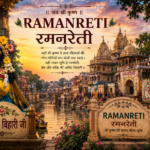
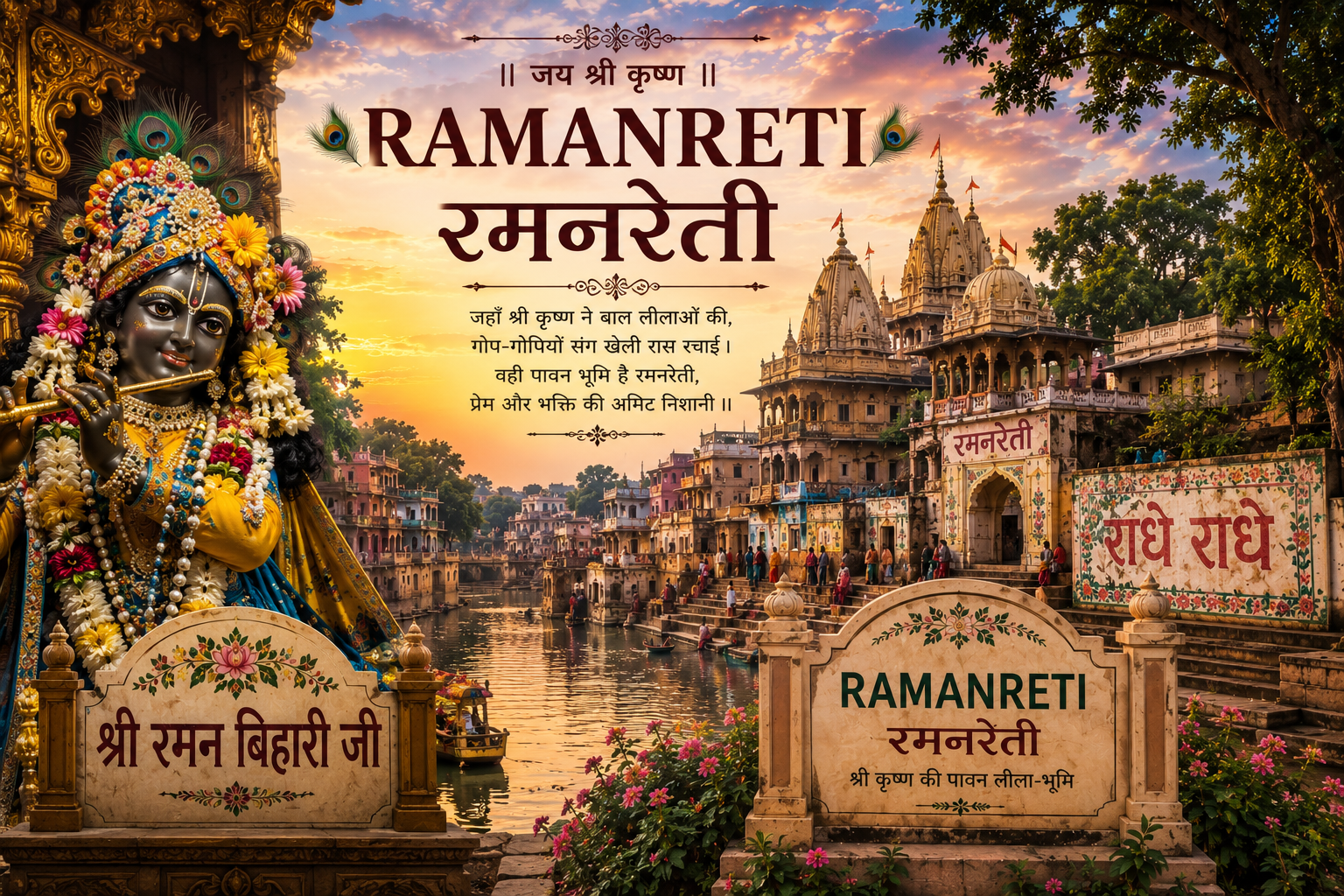
Raman Reti
This sacred sandy area is associated with Krishna and Balarama’s childhood games and remains a popular destination for meditation and devotion.
Brahmand Ghat
A revered site connected with Krishna’s revelation of the universe to Yashoda Maiya.
Chintaharan Mahadev Temple
An ancient temple dedicated to Lord Shiva, who is believed to have visited Gokul to witness Krishna’s divine childhood pastimes.
Gokulnath Temple
An important center of the Vallabh Sampradaya and Krishna devotion.
Gokul During the Medieval Period
During the medieval era, Gokul became an important spiritual center under the influence of Vaishnava saints and religious leaders. Temples, ghats, and pilgrimage facilities were developed to accommodate the growing number of devotees.
The region flourished as a center of Bhakti (devotion), preserving the traditions and stories of Krishna’s childhood for future generations.
Festivals and Living Heritage
Gokul continues to celebrate its rich spiritual history through vibrant festivals.
Janmashtami
The birth anniversary of Lord Krishna is celebrated with grand ceremonies, devotional singing, and temple festivities.
Nandotsav
A joyful celebration commemorating the festivities organized by Nanda Baba following Krishna’s birth.
Holi
Gokul participates in the colorful Holi celebrations that make the Braj region famous around the world.
Annakut Festival
Observed with devotion to commemorate Lord Krishna’s Govardhan Leela.
These festivals keep the ancient traditions and stories of Gokul alive for future generations.
Gokul in Modern Times
Today, Gokul remains one of the most important pilgrimage destinations in India. Devotees visiting Mathura, Vrindavan, Govardhan, Barsana, and Nandgaon often include Gokul in their spiritual journey.
The town continues to preserve its sacred heritage through temples, festivals, traditional rituals, and cultural practices that reflect the timeless devotion of Braj.
The Eternal Significance of Gokul
For devotees, Gokul is much more than a historical village—it is the sacred land where Lord Krishna’s childhood began and where countless divine miracles took place.
Its history reflects themes of divine protection, maternal love, innocence, joy, and devotion. Every temple, ghat, and pathway in Gokul carries memories of Krishna’s earliest leelas and continues to inspire millions of devotees across the world.
Gokul stands today as a timeless symbol of Lord Krishna’s childhood, divine love, and the spiritual heritage of Braj, welcoming all who seek peace, devotion, and blessings.